
"Whole Elephant" Approach to Product Development
|

|
our Experts:Botany
Pharmacognosy Chemistry GXPs - QAQC Toxicology Pharmacology Microbiology Clinical Statistics Regulatory Compliance 
our associates:Analytical Laboratory
Business Development Intellectual Property Legal Marketing |
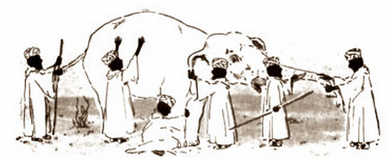
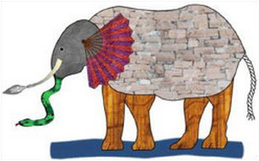
HeteroGeneity believes that product development requires a "Whole Elephant" approach. Each task must be assessed in relationship to its role to produce the final product ( = "Whole Elephant").
Our project teams are selected based on the needs of the specific product and work scope. The team is kept apprised of the goals of the project, and each team member contributes to the overall design and execution,
with understanding as to the roles of the other team members.
Our project teams are selected based on the needs of the specific product and work scope. The team is kept apprised of the goals of the project, and each team member contributes to the overall design and execution,
with understanding as to the roles of the other team members.